REVIEW · SAITAMA PREFECTURE
Unique Brewery Tour and One-of-a-Kind Sake Tasting Near Tokyo
Book on Viator →Operated by 奧むさし飯能観光協会 · Bookable on Viator
Sake starts in a repurposed convenience store. In Hannō, just about an hour from Tokyo, this tour centers on rare doburoku and the kind of careful, small-batch brewing you almost never see served out in restaurants.
I also really like the way the experience pairs the tastings with hands-on context, so you learn what makes Yamane different before you start pouring.
My second big favorite: the brewery uses Nishikawa timber and traditional wooden barrels, not the usual stainless tanks. Even the tasting cups are a standout—made from 100% Hanno soil, using material that’s no longer produced.
It feels like a tour built around place, not just alcohol.
One thing to consider: lunch isn’t included, and the tour returns to Hannō Station around lunchtime. If you hate waiting until after a meal window, plan your post-tour lunch options near the station.
In This Review
- Key highlights worth showing up for
- A 3.5-hour look at doburoku, wood, and why it’s hard to keep
- Yamane Brewery’s unusual setup: convenience store roots and wooden barrels
- Stop 1 at Hannō Station: quick meet-up, then you move
- Stop 2 at やまね酒造: the lecture, the barrels, and the tasting
- The lecture that makes the tastings make sense
- The unique vessels: Nishikawa wood and living fermentation
- The tasting: three sake types, served in Hanno soil cups
- What to expect from the guide
- Stop 3 back at Hannō Station: plan lunch after you pour
- Price and value: $100.43 for small batches, not mass-market drinking
- Who this tour is best for (and who should think twice)
- A practical plan for your day: train to Hannō, then slow down
- Should you book Yamane Brewery’s doburoku tour?
- FAQ
- FAQ
- Where does the tour start and end?
- What time does the tour start?
- How long is the tour?
- How much does it cost?
- What is included in the tour?
- Is lunch included?
- How many types of sake do you taste?
- What is the maximum group size?
- Are the tasting cups included?
- Is cancellation free?
Key highlights worth showing up for
- Doburoku tastings in small quantities: you sample three sake styles during the tour
- Wooden barrel brewing with local Nishikawa timber: fermentation happens in traditional vessels
- Hanno soil cups (100% soil): limited material, made for the tasting
- A head-of-brewing lecture in a traditional house: you get the why, not just the what
- Small group size (max 8): easier questions and more personal pacing
A 3.5-hour look at doburoku, wood, and why it’s hard to keep
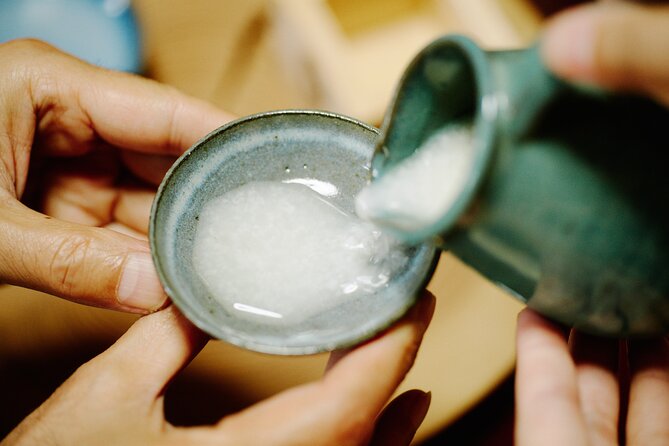
If you think you know sake, this tour may nudge you. The focus is doburoku, a rare style made by bottling the unfiltered mash (moromi) while fermentation is still going. That ongoing fermentation is exactly why it’s difficult to store, and why it’s rarely served at restaurants.
What I like for you here is the match between the story and the setting. You’re not just tasting something. You’re learning why the product is fragile, why the brewery treats materials carefully, and why “good quality” shows up in process, not marketing.
You can also read our reviews of more tours and experiences in Saitama Prefecture.
Yamane Brewery’s unusual setup: convenience store roots and wooden barrels
Yamane Brewery is described as possibly the only sustainable brewery in Japan that operates out of a repurposed convenience store. Whether or not you verify that claim on the spot, the idea is clear: the brewery is not chasing scale. It’s making small batches with a tight link to local ingredients.
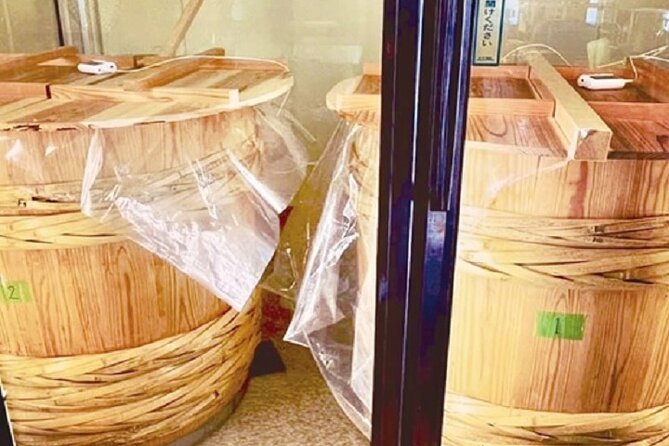
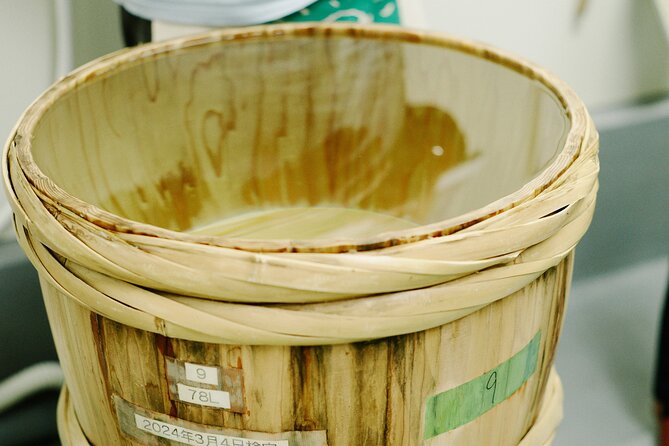
Then comes the method that really drives the experience. While many breweries rely on stainless steel, Yamane uses traditional wooden barrels made from local Nishikawa timber. The wood and local water help natural microorganisms thrive during fermentation, and the results can carry flavors tied to the barrels and the water. Because the process relies on living fermentation, the outcome can be one-of-a-kind each time—so you’re tasting a moment in that batch, not a product that’s designed to taste identical every single day.
Stop 1 at Hannō Station: quick meet-up, then you move
The tour starts back at Hannō Station at 1:00 pm and begins with a short meet-up phase. You’ll exit the ticket gate, find the guide holding a tour placard, and get a briefing for the day. Then the group walks together to the bus.
This first block is about 40 minutes, and it sets the tone. In a small group (max 8), your questions can come early, and the briefing helps you understand what you’re about to see—especially helpful if doburoku is new to you.
A small practical note: the tour listing says an admission ticket isn’t included for this stop. If you’re paying anything for station access or a related small fee, budget for it. Keep your transit card topped up.
Stop 2 at やまね酒造: the lecture, the barrels, and the tasting
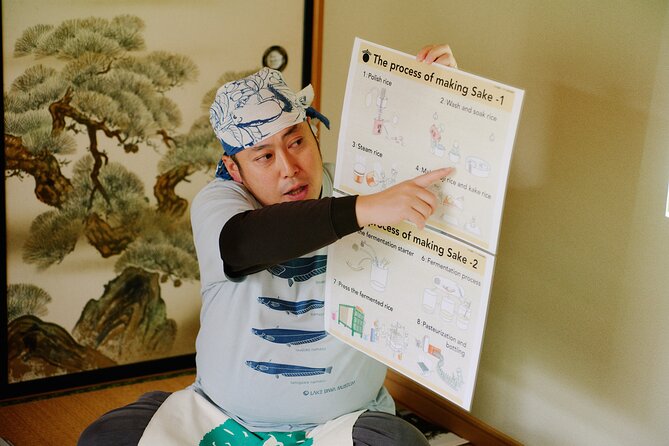
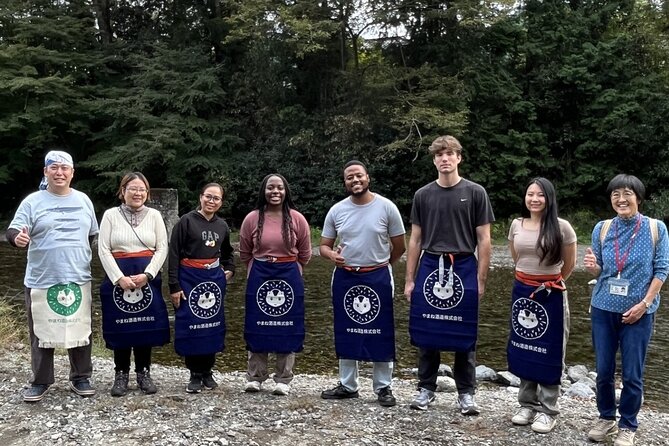
Stop two is the heart of it, running about 2 hours 20 minutes at やまね酒造. You don’t rush straight into drinking. First, you visit the home of the head of a traditional Japanese house, full of character and history. That matters more than it sounds. It frames the brewing approach as cultural and practical, not just technical.
The lecture that makes the tastings make sense
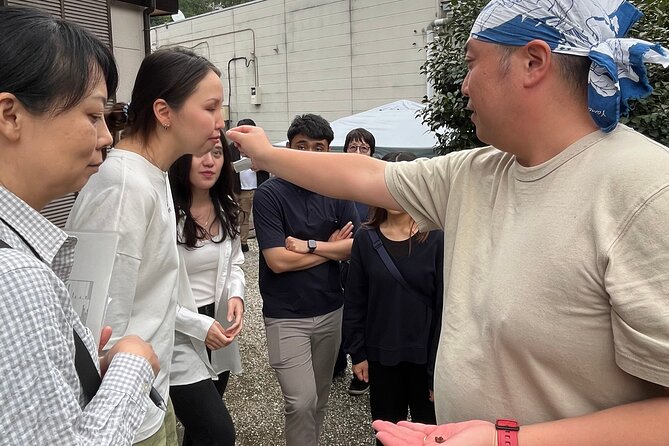
You’ll get a lecture explaining how sake brewing at Yamane differs from conventional methods. That part matters because doburoku isn’t the same as the clearer styles most people think of. When fermentation is still actively happening in the bottle, you’re tasting a living process—one that’s hard to store and easy to treat casually, unless the brewer is careful.
The unique vessels: Nishikawa wood and living fermentation
From there, the experience focuses on how Yamane uses traditional wooden barrels. You’re essentially looking at a system where wood, water, and natural microbes do the work. That’s also why the flavors can shift from batch to batch.
The tasting: three sake types, served in Hanno soil cups
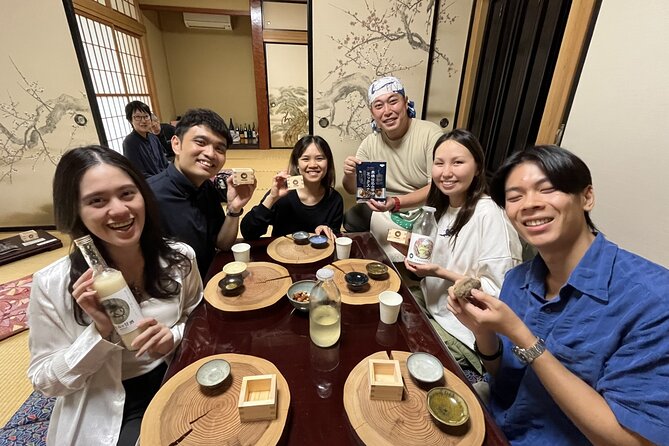
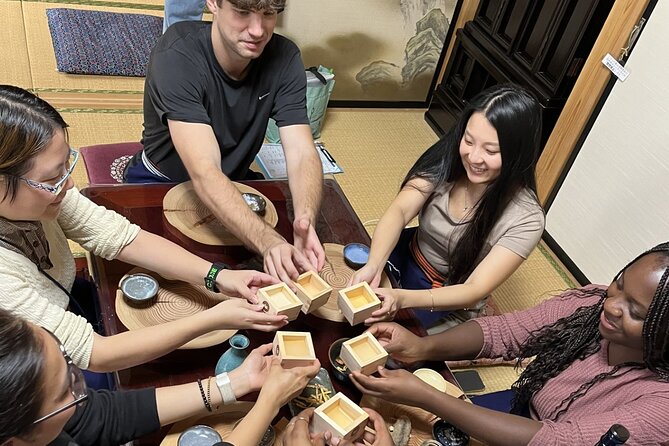
The tour includes tastings of three types of this special sake. You’ll also get snacks (tsumami-style) with the alcohol, which is a smart move because tasting multiple sakes works better when you have something to balance the palate.
Here’s another detail I love for you: the cups are locally crafted from 100% Hanno soil, using material no longer produced and available only in limited quantities. Even if you’re not the type to collect tasting notes like a wine nerd, this is a memorable, place-based touch. You’re holding something tied to the area, not a generic tasting set.
Also, don’t be surprised if one of the sakes is seasonal. One example mentioned is Yamane no Minori, described as mind-blowing but not available during a certain season. So think of the three pours as a seasonal lineup rather than a guarantee of the exact bottle name.
What to expect from the guide
This is a small-group outing, so the guide can work the room. Some past tours mention guides with strong English support through English info boards, and hosts who teach how to serve sake properly (including how to think about temperature and presentation). You might even meet hosts who’ve been named in feedback such as Fukunari or Mr Wakabayashi, depending on the date.
Stop 3 back at Hannō Station: plan lunch after you pour
After the main visit, you ride the bus back to Hannō Station with the guide. The return segment is about 30 minutes, and then you’re back around lunchtime.
Lunch isn’t included. The guide may recommend local restaurants, and this is your best move: eat near the station so you don’t lose time figuring out where to go. If you’re building a day trip around this, Hannō is also a convenient base for other nearby attractions, including easy access to Chichibu and Kawagoe.
Price and value: $100.43 for small batches, not mass-market drinking
At $100.43 per person, this isn’t a cheap “sake sampler.” But it doesn’t feel overpriced either, given what’s included and what’s rare here.
You’re getting:
- Three sake tastings of doburoku-style product made with wooden barrel fermentation
- Snacks paired with the pours
- A guided explanation in a traditional home setting before you taste
- Tasting cups made from 100% Hanno soil, using limited material
- A small group cap of 8 people, which usually means you get real conversation time rather than a factory-style stop
What’s not included is lunch, and the tour also notes that private transportation costs are not included. That’s normal for a regional experience, but it’s worth planning your transit in advance. If you’re coming from Tokyo, the listing notes Hannō is about an hour by train, which helps keep the day trip manageable.
Who this tour is best for (and who should think twice)
This tour makes the most sense if you like:
- Japanese fermentation craft and process explanations
- Rare products you can’t casually buy at most restaurants
- A calmer, smaller group pace (max 8)
- A place-based experience where the cups and vessels connect you to Hanno and local materials
It may be less ideal if:
- You’re not interested in sake at all, since alcohol tastings are a core part of the tour
- You need a meal included on schedule, because lunch isn’t provided and you’ll be done near lunchtime
A practical plan for your day: train to Hannō, then slow down
I’d plan your day like this. Take the train from Tokyo to Hannō, arrive with enough buffer to find the guide at 1:00 pm, and keep your focus on the experience rather than rushing to pack in extra stops.
Because the tour ends back at Hannō Station, you’re set up nicely for a simple next step: lunch nearby, then decide whether you want to continue exploring the area or head back toward Tokyo. If you’re also considering other Saitama options like Chichibu or Kawagoe, this tour can slot in as a satisfying cultural anchor.
Should you book Yamane Brewery’s doburoku tour?
I think you should book it if you want a real look at how sake can be made differently—especially doburoku, the wooden-barrel approach, and the Hanno soil tasting cups. The structure is built well: you get the lecture and context before the pours, and the small group size keeps the experience from feeling rushed.
Skip it if your priority is a general sightseeing day or if you’re tightly time-caged around lunch. With lunch not included, you’ll be happier if you plan to eat near Hannō Station right after the tour.
FAQ
FAQ
Where does the tour start and end?
The tour starts at Hannō Station in Hanno, Saitama, Japan. It ends back at the meeting point (Hannō Station).
What time does the tour start?
The start time is 1:00 pm.
How long is the tour?
The duration is approximately 3 hours 30 minutes.
How much does it cost?
The price is $100.43 per person.
What is included in the tour?
The tour includes alcoholic beverages (sake tastings) and a sampling of snacks.
Is lunch included?
No. Lunch is not included in this tour.
How many types of sake do you taste?
You taste three types of this special sake during the tour.
What is the maximum group size?
This tour has a maximum of 8 travelers.
Are the tasting cups included?
Yes, you use locally crafted cups made from 100% Hanno soil for the tasting.
Is cancellation free?
Yes, it offers free cancellation. You can cancel up to 24 hours in advance for a full refund. If you cancel less than 24 hours before, the amount paid isn’t refunded.