REVIEW · SPLIT
Walking tour of Split old town and craft beer tasting
Book on Viator →Operated by Private Tourist Guide Croatia · Bookable on Viator
Beer and ruins, same night. This small-group tour pairs a walk through Diocletian’s Palace with a craft-beer stop that gives you a very local way to understand Split. I like how the guide connects what you’re seeing—vaulted cellars, emperor-size rooms, and old-town squares—to how the city actually feels today.
One thing to plan for: beers and other drinks aren’t included, so you’ll need extra cash for the tasting pours at the microbrewery.
In This Review
- Key things that make this tour worth your time
- How the tour flows: 2 hours, 8 people, and a 6 pm start
- Riva Harbor to Palace cellars: the waterfront that turned into daily life
- Peristyle and its surrounding layers: the emperor’s square, rewritten by time
- A tucked-away antiquity and the “inside” option
- Vestibulum: acoustics you can hear, music you can picture
- Triklinij and the emperor’s dining room vibe
- Mausoleum turned cathedral: one building, many identities
- The Guinness-record chocolate stop: a playful break with a real story
- Golden Gate and the palace wall: a military camp entrance, not a tourist doorway
- Grgur Ninski’s statue: the toe-touch tradition, in person
- Pjaca and Fruit’s Square: architecture with political memory
- Leopolds Craft Beer Bar: how to handle the tasting stop without overspending
- Price and value: what you’re really paying for at $30.04
- Guide quality: the difference between facts and understanding
- Who should book this Split old town + beer combo
- Should you book this tour?
- FAQ
- What time does the tour start?
- How long is the walking tour?
- What is the group size?
- Is the tour offered in English?
- Where do I meet the guide, and where does the tour end?
- What’s included in the price?
- Are beers included?
- Can I cancel for a full refund?
- Is the tour accessible for most people, and can I bring a service animal?
Key things that make this tour worth your time

- UNESCO Diocletian’s Palace focus with clear explanations in about 2 hours
- Small group (max 8), so you can ask questions and keep the pace comfortable
- A craft-beer stop at Leopolds after the palace sights
- Photo-friendly moments like Grgur Ninski’s statue toe-touching tradition
- Hidden corners of the palace substructures, not just the big postcard views
- English language tour with a licensed local guide in Split
How the tour flows: 2 hours, 8 people, and a 6 pm start
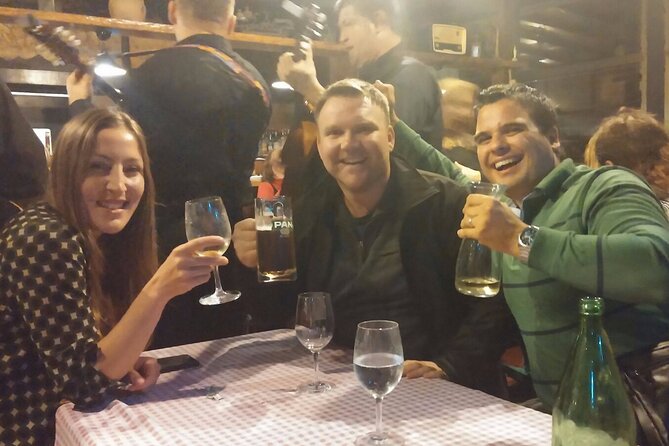
This is a 2-hour walking tour in Split that starts at 6:00 pm. You meet at the Split sign in the Grad area and finish at Leopolds Craft Beer Bar on Dosud ul 5, so the whole thing is built like a route: sights first, then beer.
The group size is capped at eight, which matters here. Diocletian’s Palace can feel like a maze if you’re on your own, and the guide’s job is to point you to the most meaningful parts without rushing you through everything. With only a handful of people, you also get more time to ask questions—especially about the palace layout and how it changed over time.
Price is $30.04 per person, and that’s mainly paying for your time with a professional licensed guide plus guided sightseeing inside the UNESCO-listed palace area. The beer stop is part of the experience, but the drinks themselves are not included, so plan for some extra spending at the end.
Riva Harbor to Palace cellars: the waterfront that turned into daily life
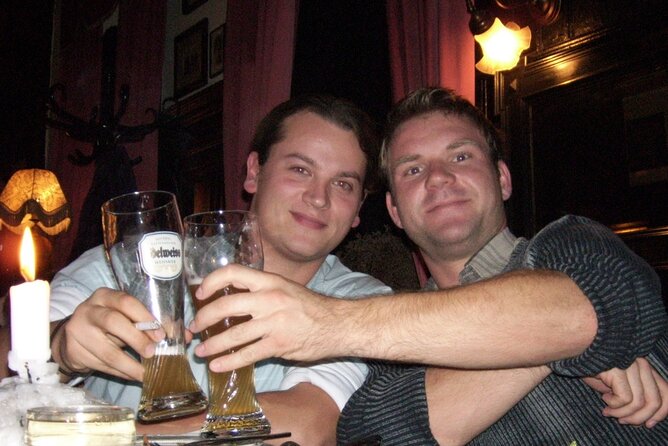
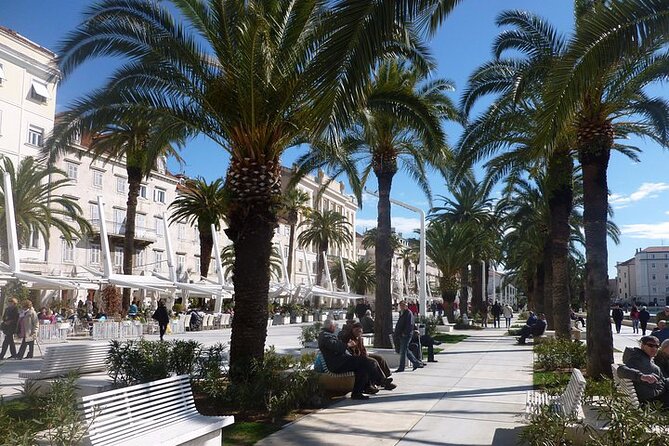
You begin at Riva Harbor, the promenade that feels like Split’s front room now—but wasn’t always. Your guide frames it as a transformation from the palace’s original waterfront role into the promenade locals use and depend on. Even if you’ve seen harbors before, this is one of those starts that helps you get your bearings fast.
From there, you move into the palace’s substructures—specifically the cellars. This is not about collecting facts like a museum plaque. It’s about understanding why these vaulted spaces are considered among the best preserved late-antiquity complexes anywhere. When you stand inside these older stone volumes, you start to feel how the palace wasn’t just a grand surface. It had depth—practical spaces for daily function, storage, and the kind of architecture that survives because it works.
Practical tip: this part of the evening can feel cooler and slightly dimmer than the promenade. If you run hot, you’ll still do fine, but bring something light if you’re sensitive to evening chill.
Peristyle and its surrounding layers: the emperor’s square, rewritten by time
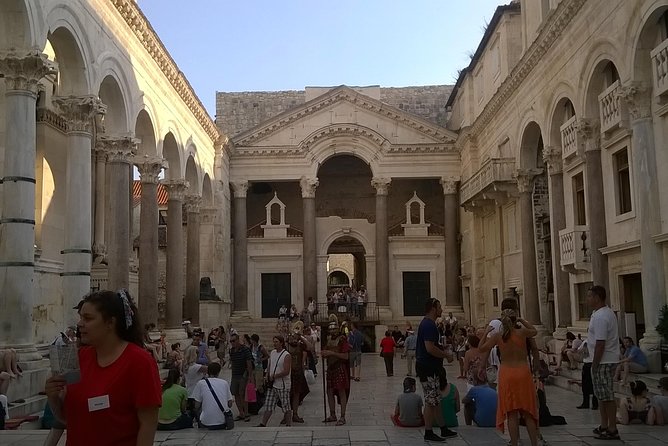
Next is the Peristyle, the palace square you’ll recognize right away once you’re standing in it. You’re surrounded by columns, and your guide walks you through the feeling of an imperial gathering—then shows how the same street lines and spaces got reshaped across centuries.
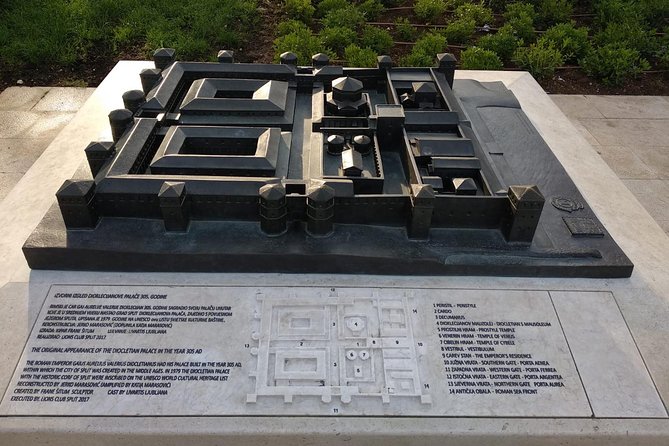
The tour also connects the “big idea” with the layout: the palace’s main directional streets (often explained as the cardo and decumanus) and how later architecture layered over earlier plans. The point isn’t to memorize Greek and Roman vocabulary—it’s to understand why Split looks the way it does when you move from street to street.
A quick consideration: the Peristyle area is open and photogenic, so it’s a good place for photos. But it can also be a place where you feel pulled in ten directions at once. Let your guide set the path and you’ll avoid the common mistake of walking the loop without understanding the why.
A tucked-away antiquity and the “inside” option
Right near the Peristyle, you pause for another architectural surprise: an ancient section tucked between houses. Your guide explains why a British architect—Robert Adam, who visited Split in the 18th century—listed it among the most beautiful monuments in Europe.
Here’s the key practical detail: visiting the interior is available for an additional fee. If you’re the type who likes seeing the palace from multiple angles, it’s an easy add. If you’d rather keep the evening focused and stay within the booked time, you can still enjoy the exterior and guide story without committing.
Either way, this stop is valuable because it teaches you a habit: look for the “in-between” spots. In Split, that’s where you understand how the past is actually woven into daily streets.
Vestibulum: acoustics you can hear, music you can picture
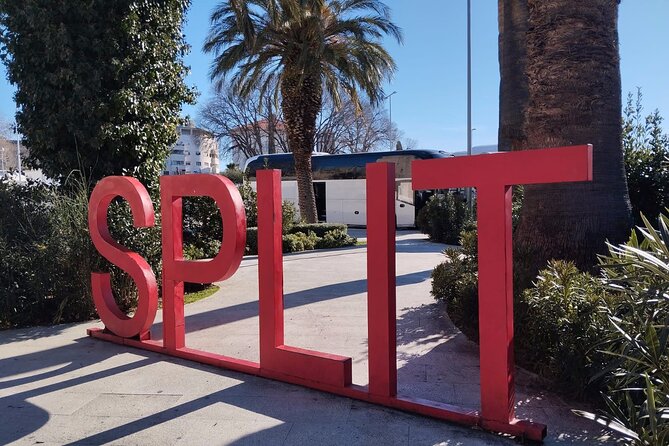
Then comes one of the most distinctive parts of Diocletian’s palace life: the Vestibulum. This is a circular lobby-like space with an open ceiling, and your guide points out how it sounds.
The “aha” moment is the acoustics. Your guide explains that the space is frequently used by klapa, the traditional Dalmatian a cappella singing groups. The palace isn’t just a landmark; it’s a performance space in everyday use, tied to UNESCO recognition for the cultural tradition.
Even if you don’t catch a singing group during your visit, the explanation helps you imagine what the architecture would do for sound. That’s what makes this stop more than a quick photo break.
Triklinij and the emperor’s dining room vibe
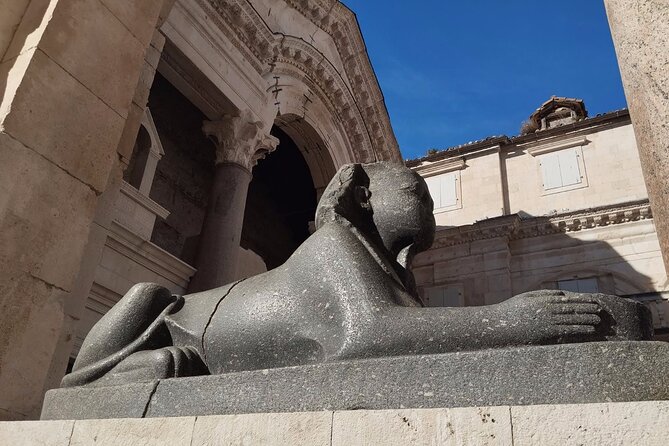
From the Vestibulum, the route continues to what remains of the emperor’s dining room: the Triklinij. You’ll hear about Roman-style dining and how the layout worked, including why vomitorium is used as a word in historical conversation.
This stop works best if you lean into the guide’s framing. Instead of treating it like a set of ruins, think of it like a stage: where people stood, how they moved, and how architecture shaped social life. The tour also ties in the idea of carpe diem, not as a slogan, but as a way to imagine how someone in the palace might have felt about the present.
Mausoleum turned cathedral: one building, many identities
Next, you look at how Diocletian’s Mausoleum became a cathedral. Your guide also describes the bell tower as a standout feature along the Dalmatian coast.
This is one of the biggest “why it matters” moments on the tour. Diocletian’s palace is UNESCO for a reason, but the real-life value is seeing how later generations didn’t just abandon these structures. They repurposed them—so the palace keeps functioning as a civic and spiritual space.
If you care about layers of meaning, this is where Split stops feeling like a Roman theme park and starts feeling like a living city that inherited big monuments and kept using them.
The Guinness-record chocolate stop: a playful break with a real story
In the middle of the walk, you’ll have a stop tied to a small chocolate producer in Split that won a Guinness world record for what’s described as the biggest slab of chocolate in the world.
This isn’t palace architecture, and it isn’t trying to be. It’s a smart pacing move: a short, fun story stop that keeps the evening from turning into only stone and dates. It also helps you see that modern Split still celebrates quirky, local wins—not just big heritage.
If you have a sweet tooth, keep your expectations realistic: this is a stop for the story and location, not a promise of free chocolate. (And again, drinks and extras beyond what’s included are on you.)
Golden Gate and the palace wall: a military camp entrance, not a tourist doorway
Then you hit the Golden Gate, tied to the palace’s original purpose as both a palace and a military camp. Your guide points out how access wasn’t as simple as it looks from the street now.
You also get a close look at the best preserved wall of the palace. This matters because it changes how you interpret the site. If you only focus on emperors and ceremonies, you miss the defensive logic—how architecture served power and control.
A good way to experience this stop: pause for a moment and look at how the gate sits within its defensive walls. Your brain starts mapping the palace as a fortress system, not only a ceremonial space.
Grgur Ninski’s statue: the toe-touch tradition, in person
Next is the famous Grgur Ninski statue. It’s a top photo spot, yes—but your guide also explains why Ivan Meštrović is seen as one of the best sculptors, and the legend about touching the golden toe for good luck.
This stop is short—just enough time to take photos and get the meaning. If you’re traveling with a group that likes rituals and local legends, you’ll probably enjoy it more than you think, because it turns a statue into an actual behavior locals share.
Pjaca and Fruit’s Square: architecture with political memory
The last part of the palace and old-town walk shifts into the city squares.
First is Pjaca, Split’s main square in the old town. Your guide points out that the square has changed names through its history, and you get a sense of how the area evolved through different periods.
Then you reach Fruit’s Square (Trg Brace Radic), where the focus is baroque architecture. Your guide also explains how the Venetian Republic protected Split from the Ottoman Empire and how Marko Marulić—described here as the father of Croatian literature—fits into the story of the place.
This portion is where the tour connects the palace story to normal city life. Squares are where cities negotiate power, trade, and identity. In Split, the stones do the talking.
Practical tip: squares can feel windy in the evening. If you’re sensitive, plan a light layer.
Leopolds Craft Beer Bar: how to handle the tasting stop without overspending
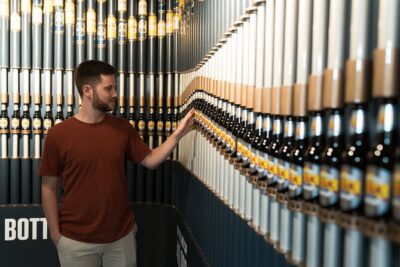
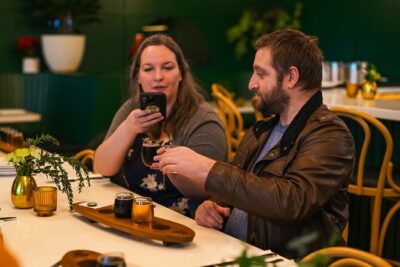
The tour ends at Leopolds Craft Beer Bar, a microbrewery described as one of Split’s top craft beer destinations. Your guide leads you here for about 30 minutes at the beer bar.
The key thing to know: beers and other drinks are not included. So while you’ll be tasting craft beer as part of the experience, you should budget for it on-site. This is the one part of the tour where your spending depends on what you choose to order beyond the tasting.
That said, the value is in the transition. After learning how architecture shapes daily life in Diocletian’s Palace, you finish with beer culture that’s also about local identity and modern experimentation. It’s a nice rhythm: heritage in stone, and then heritage in flavor.
If you’re trying to keep costs down, decide in advance how many pours you want. Craft beer menus can move fast, and a tasting can become a full order if you’re not paying attention.
Price and value: what you’re really paying for at $30.04
At $30.04, you’re paying for three things:
- A licensed local guide who can interpret Diocletian’s Palace in plain language
- Guided access to the most important UNESCO-listed sections in about two hours
- A structured finish at a top craft-beer spot
The trade-off is straightforward: drinks aren’t included. So the total cost of your evening depends on what you buy at Leopolds Craft Beer Bar. Still, even with that added expense, you’re not paying extra for entrance tickets in many stops—your tour time includes multiple free-admission segments inside the palace complex.
Also, the small-group limit (max 8) makes this feel more like a guided walk with a specialist than a big group shuffle. For me, that’s the difference between a palace “checklist” and actually learning how Split’s center works.
Guide quality: the difference between facts and understanding
One review detail that stuck with me is the guide style—someone like Darijo brings a strong knowledge of Diocletian’s Palace and stays conversational. That matters, because palace ruins can feel random unless the guide keeps putting the pieces together for you.
You’ll feel it most at the Peristyle and Vestibulum stops. The story is more than a timeline. It’s how to look: columns, street lines, sound, and room purpose.
Who should book this Split old town + beer combo
This tour fits best if you:
- Want a focused intro to Diocletian’s Palace that doesn’t require you to do homework first
- Like your evening plans to include both heritage and a modern food or drink stop
- Prefer small groups and Q&A time instead of a big crowd track
You might skip it if you:
- Don’t plan to spend anything on drinks at the end (since beers aren’t included)
- Want a long, slow palace visit with lots of independent wandering (this is timed at about 2 hours)
It’s also a good choice if you’re an English speaker and you want the whole route explained.
Should you book this tour?
Yes, if you want a compact evening that turns Diocletian’s Palace from scary stone clutter into a walkable story. The combination works: palace architecture plus a finish at Leopolds gives you a clear “then and now” arc without making you plan two separate outings.
Book it especially if you like structure. This route hits major features (Peristyle, Vestibulum, Triklinij, Golden Gate, the squares) and also includes the kind of side stops—like the palace substructures and the short story around the Guinness record chocolate—that keep it from feeling like only the headline monuments.
If you’re on a tight budget, just remember the one catch: beers and other drinks cost extra at the end.
FAQ
What time does the tour start?
The tour starts at 6:00 pm.
How long is the walking tour?
It lasts about 2 hours.
What is the group size?
The maximum group size is 8 travelers.
Is the tour offered in English?
Yes, it’s offered in English.
Where do I meet the guide, and where does the tour end?
You meet at Split sign, 21000 Grad, Split, Croatia. The tour ends at Leopolds Craft Beer Bar, Dosud ul 5, 21000, Split, Croatia.
What’s included in the price?
Included items are a professional licensed tour guide and sightseeing of 1700 years old Diocletian’s palace, a UNESCO world heritage site.
Are beers included?
No. Beers and other drinks are not included.
Can I cancel for a full refund?
Yes. You can cancel for free up to 24 hours in advance of the experience start time for a full refund.
Is the tour accessible for most people, and can I bring a service animal?
Most travelers can participate, and service animals are allowed. The meeting area is also near public transportation.