REVIEW · BOSTON
Sushi Making Class at a Local Brewery in Boston
Book on Viator →Operated by Classpop! · Bookable on Viator
You can learn sushi basics fast in Boston. This hands-on class pairs sushi-making with a laid-back brewery setting, so the whole thing feels like an activity, not a lecture. You’ll start with miso soup, then roll both hand rolls (temaki) and inside-out rolls (uramaki) using fresh ingredients made to fit gluten-free, nut-free, and dairy-free needs.
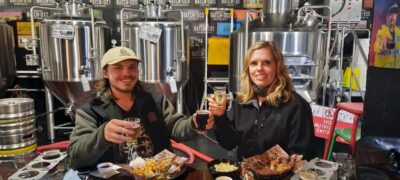
I especially like that the class is built around doing: you make a full meal yourself and eat it right after. I also love the brewery vibe—craft beer is there if you want it, but the focus stays on learning and sharing food with your group. The only real drawback to plan for is that the chef doesn’t use a microphone, so if you’re not seated close, you may struggle to catch every small instruction.
In This Review
- Key things that make this class worth your time
- The brewery-and-sushi combo you’ll actually enjoy
- What you’ll cook: miso soup plus three roll styles
- Class flow at Long Live Roxbury: how the 2 hours are likely to feel
- Chef Harold and what his instruction is good for
- The ingredients: gluten-free, nut-free, dairy-free—what that means for you
- Beer is part of the vibe, not the syllabus
- Rolling sushi like an adult: tips that help you succeed
- Price and value: what $75 buys you in Boston
- Who should book this class (and who might not love it)
- What to do before you go so you get the best experience
- Should you book the Sushi Making Class at a Boston brewery?
- FAQ
- Where does the class take place?
- How much does the sushi-making class cost?
- How long is the class?
- What time does it start?
- Are drinks included?
- Can the class accommodate dietary needs?
- Is there a group size limit?
Key things that make this class worth your time
- Hands-on sushi meal: you roll the sushi and eat it during the session
- Two roll styles: temaki (hand rolls) and uramaki (inside-out) both get covered
- Chef-led attention: instruction comes from a sushi professional with 20+ years in the industry
- Brewery atmosphere: craft beer bar energy without turning the class into a party-only event
- Simple menu, strong outcome: you’ll focus on a few core rolls and do them well
- Group stays manageable: maximum group size is 25, so you can usually keep up
The brewery-and-sushi combo you’ll actually enjoy
Boston has no shortage of places to eat sushi, but learning it is a different story. This experience works because it matches the pace of a cooking class with the relaxed rhythm of a local brewery. You’re not stuck in a formal kitchen studio; you’re in a public venue where good food and good company are part of the deal.
The setting matters. Breweries tend to feel easygoing, and that helps when you’re doing something fussy like rolling sushi. When your brain isn’t braced for an awkward classroom moment, you pick up technique faster.
What you’ll cook: miso soup plus three roll styles
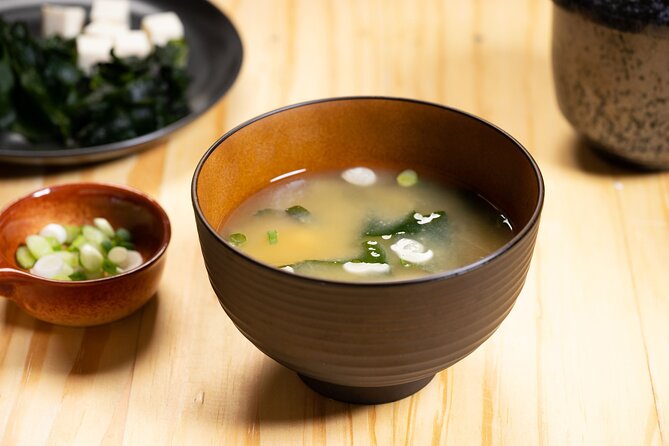
The class starts with a starter that sets the tone: miso soup. You’ll prepare it with miso paste, dashi, and wakame seaweed. It’s warm, comforting, and forgiving—exactly the kind of food that helps you settle in before you touch nori and rice.
Then comes the main event: rolling. You’ll make both:
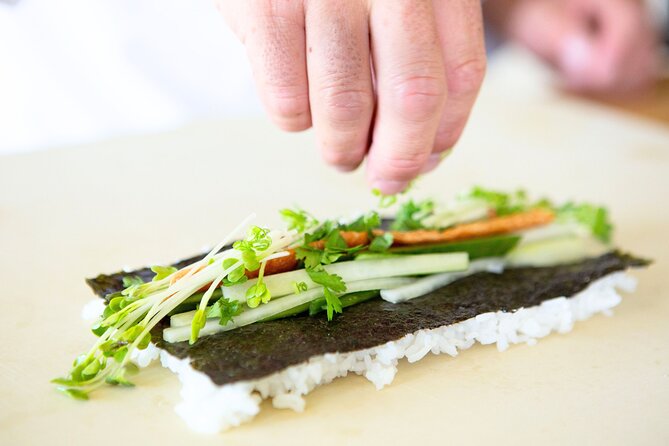
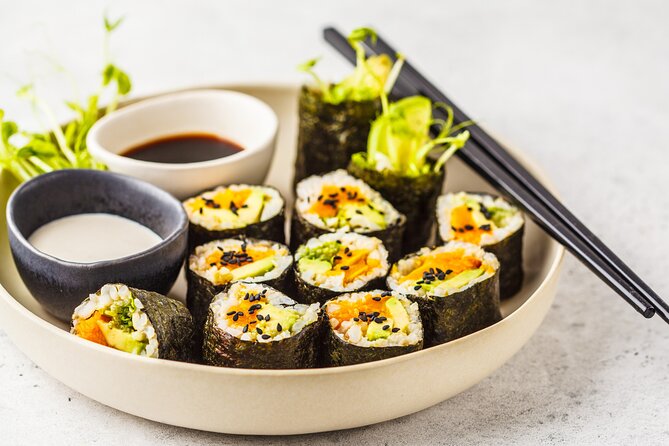
- Hand rolls (temaki), which are rolled by hand into a shaped cone
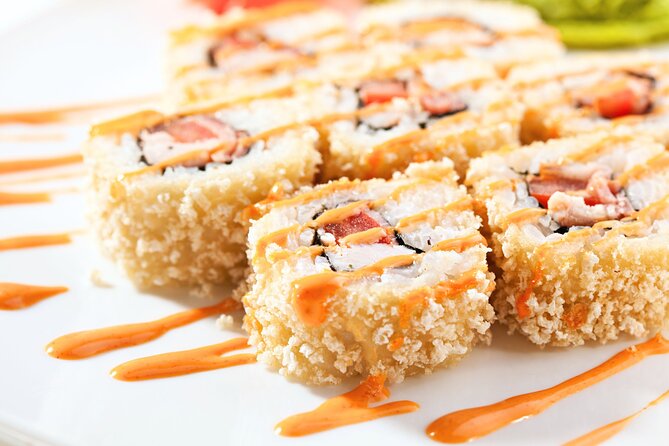
- Inside-out rolls (uramaki), where rice is on the outside and the filling stays inside
Your sample menu includes specific options so you’re not guessing what you’ll end up with. On the roll side, you’ll work toward:
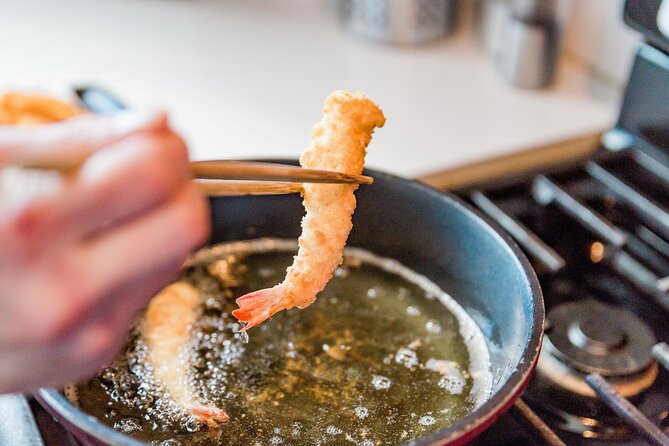
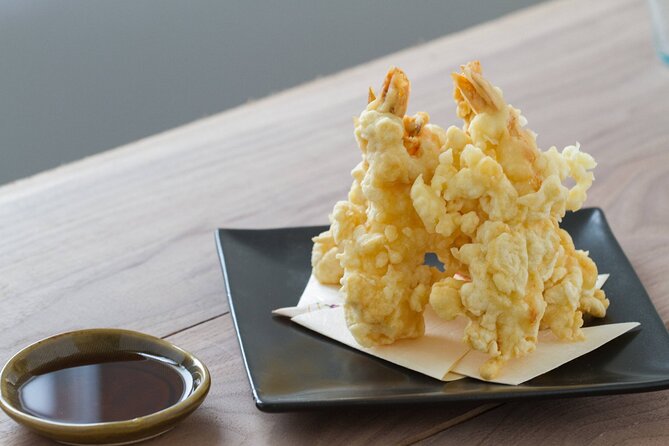
- Shrimp tempura hand roll (with shrimp, nori, and sushi rice)
- Sweet potato hand roll (with sweet potato, nori, and sushi rice)
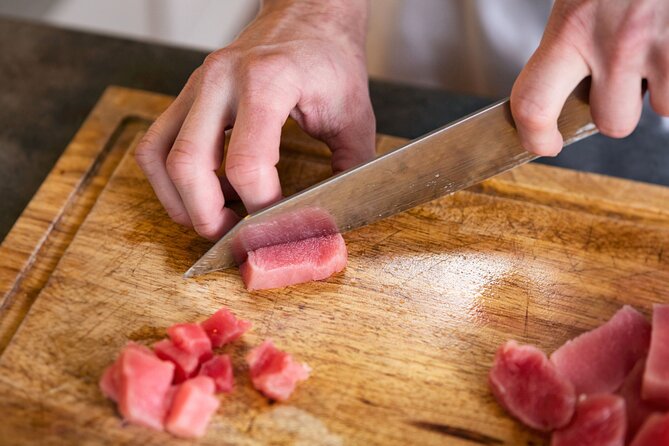
- Spicy tuna roll (with tuna, sushi rice, and nori)
Two practical takeaways from this menu choice. First, you get a mix of flavors—one classic seafood option, one sweet-and-earthy vegetarian option, and one spicy staple. Second, the ingredient list stays consistent across the class, which means you can focus on technique rather than constantly adapting to new flavors and tools.
Class flow at Long Live Roxbury: how the 2 hours are likely to feel
The session runs about 2 hours, starting at 12:00 pm at Long Live Roxbury, 152 Hampden St, Boston. It ends back at the meeting point, so you’re not juggling transport or timing logistics in the middle of your day.
Here’s the typical rhythm you should expect once you arrive:
1) Starter prep (miso soup)
2) Sushi basics setup (tools, workflow, and what each roll is meant to look like)
3) Rolling temaki and uramaki using the ingredients provided
4) Eating the sushi you made
A class like this lives or dies on how quickly you can get hands-on. The good news: this is designed as a practical workshop, not a demonstration-only event. You’ll get instruction and enough guidance to work independently while still having help nearby.
One nuance I’d plan for: seating affects how well you hear the chef. In a prior session, the chef explained techniques without a microphone, and the people closer to him had a better time catching every detail. If you can, choose a spot near the active teaching area.
Chef Harold and what his instruction is good for
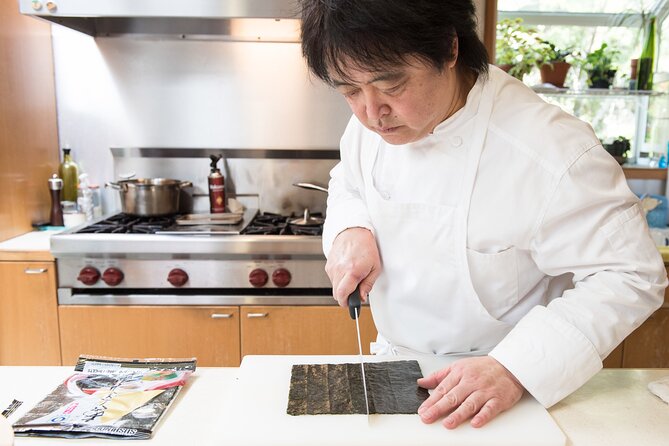
The chef leading this experience is described as a sushi professional with over 20 years of experience, and in one class example, Chef Harold specifically was praised for how he taught. That’s a key difference from many short classes where you get one fast tutorial and hope for the best.
From what you can reasonably expect from that kind of experience: you’ll get real technique cues, plus chef shortcuts that help you avoid common mistakes. Sushi has a few repeat offenders—rice texture, roll tightness, and how to handle fillings without overstuffing. An experienced instructor can correct those issues in seconds.
Also, one review highlighted that Chef Harold shared background about the food industry. That kind of context doesn’t just add personality—it can help you understand why certain steps matter, like why the rice needs to be treated the way it is for rolling and eating.
The ingredients: gluten-free, nut-free, dairy-free—what that means for you
The class uses gluten-free, nut-free, and dairy-free ingredients, and it’s also described as accommodating a variety of dietary needs. That’s a strong baseline for travelers who need restrictions handled without drama.
What I like about this setup is that it reduces the usual uncertainty. You’re not sitting there wondering if the class will quietly rely on ingredients you can’t have. And if you have needs beyond the standard setup, you can let the team know in advance so they can tailor the experience as best they can.
Still, keep expectations realistic. This is a small menu built around a specific set of rolls. If you require something very unusual, tell the organizers early so they have the best chance to adjust.
Beer is part of the vibe, not the syllabus
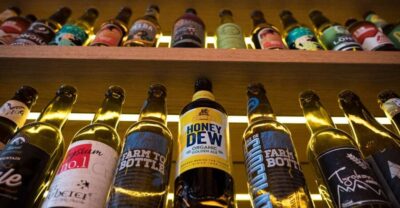
This is a brewery location, so craft beer is available for purchase at the bar. Pricing is listed as ranging from $3 to $20, depending on what you choose.
I treat beer here as a bonus, not a requirement. The class is about making sushi and learning technique. But a cold drink can make the session feel more like hanging out with friends while you work, which fits the brewery mood.
A practical tip: if you plan to drink, do it gradually. Your hands are going to be busy—rolling and shaping—so you want steady focus more than buzz.
Rolling sushi like an adult: tips that help you succeed
You don’t need to be a kitchen pro to enjoy this class, but sushi rewards attention to small details. Here are the things that usually make the biggest difference, and they match what you’ll likely be practicing:
1) Get comfortable with rice handling.
Rice is the base for both roll styles, especially inside-out (uramaki). If the rice feels too sticky or spreads inconsistently, rolls look messy. The instructor will likely coach you on how to manage the rice layer so it sticks correctly.
2) Don’t overfill.
It’s tempting to pack the shrimp tempura or spicy tuna filling high. But if you add too much, the roll won’t close neatly and it’s harder to slice cleanly. You want a roll that holds together and still tastes balanced.
3) Aim for consistent pressure.
For temaki (hand rolls), you’re shaping with your hands. For uramaki, you’re creating a firm roll so the nori and rice act together. Consistency beats force—smooth, steady shaping usually wins.
4) Expect a learning curve.
Your first roll may not look like a restaurant version. That’s normal. The win is that you’ll leave with repeatable technique you can use at home with less stress.
And yes, it helps if you’re seated close enough to hear instructions clearly. Since there’s no microphone in this kind of setup, your best move is to position yourself where you can catch cues about the rice and the roll tightness.
Price and value: what $75 buys you in Boston
At $75 per person for about two hours, you’re paying for three things at once:
1) instruction from a sushi chef with years of experience
2) all ingredients and cooking tools
3) a full meal you make yourself
That combination is the real value. You’re not just tasting sushi—you’re getting the process. When you leave, you should be able to repeat at least part of the experience at home (especially the simpler temaki technique).
Drinks are extra, since beer is sold separately at the venue. That’s typical for brewery-based experiences, and it keeps the class cost focused on the food and instruction.
Also, the class size cap at 25 travelers is a quiet value factor. Smaller groups often mean less waiting and fewer times you feel stuck without help.
Who should book this class (and who might not love it)
This works best if you’re:
- a foodie who wants an activity with a payoff meal
- going on a date and want something more interactive than dinner
- traveling with friends and you all want to take a hands-on role
- new to sushi and want a clear, approachable entry point
It may feel less ideal if you’re expecting a huge variety of dishes. The menu is designed around a focused set of rolls and a straightforward starter. One past participant felt the menu was a bit simple, even with great pricing. In other words: you’re there to learn technique, not sample a long tasting menu.
If you’re sensitive to noise or you rely on hearing every word, plan for the no-microphone reality and sit where you can see and hear the chef.
What to do before you go so you get the best experience
You don’t need to arrive with sushi knowledge. Just come ready to work with your hands. A few things I’d do:
- wear something you don’t mind getting a little rice residue on
- arrive on time so you don’t feel rushed during the starter prep
- if you have dietary restrictions, communicate them in advance so the organizers can tailor the experience
- decide ahead of time whether you’ll drink beer, so you can pace yourself
Also, bring the right attitude: sushi rolling can be awkward at first. The fun comes from realizing you’re making edible results pretty quickly.
Should you book the Sushi Making Class at a Boston brewery?
I’d book it if you want a fun, social cooking experience that ends with you eating the food you made. The hands-on format, the chef instruction, and the fact that you learn both temaki and uramaki make the class feel worth the $75. Add the brewery setting and the craft beer culture, and it becomes a Boston activity that doesn’t feel like homework.
I’d skip or think twice if you want a broad menu with lots of different dishes, or if you’re very dependent on perfectly audible instruction from far away. The no-mic setup is real, so your enjoyment will be better if you plan to sit close to the chef.
If you’re the type who likes learning by doing, this is a solid afternoon plan.
FAQ
Where does the class take place?
The class meets at Long Live Roxbury, 152 Hampden St, Boston, MA 02119, USA.
How much does the sushi-making class cost?
It costs $75.00 per person.
How long is the class?
The class runs for about 2 hours.
What time does it start?
The start time listed is 12:00 pm.
Are drinks included?
No. Drinks are available for purchase at the bar, with prices ranging from $3 to $20.
Can the class accommodate dietary needs?
Yes. The experience is designed to accommodate a variety of dietary needs. The class also uses gluten-free, nut-free, and dairy-free ingredients, and you can let the organizers know your preferences or restrictions in advance.
Is there a group size limit?
Yes. The maximum number of travelers is 25.